
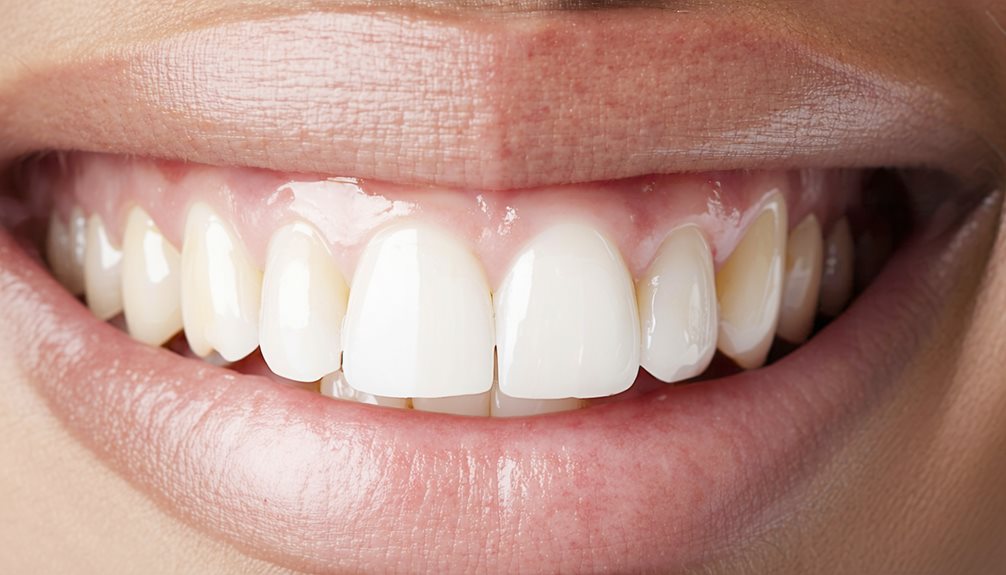
Enhancing the natural beauty of your teeth involves several top cosmetic dental procedures. Teeth whitening and enamel microabrasion deliver bright results by tackling stains. Dental veneers and bonding perfect imperfections with precision-crafted materials that mimic natural teeth. Invisalign aligners subtly adjust alignment, avoiding the need for traditional braces. Dental crowns and bridges restore function while offering seamless aesthetic appeal. Gum reshaping harmonizes the gingival line for a balanced smile, while dental implants replace missing teeth with durable and attractive solutions. Each of these options combines advanced technology with patient-centered care, ensuring a thorough approach to achieving your ideal smile. Explore further for the most suitable procedure tailored to your needs.
Teeth Whitening
The allure of a radiant smile is often enhanced by the brilliance of whitened teeth, a cornerstone of aesthetic dental care. Teeth whitening has evolved into a sophisticated blend of home remedies and professional treatments, catering to the discerning tastes of those seeking to refine their appearance.
For individuals who prioritize convenience and natural methods, home remedies such as baking soda and hydrogen peroxide offer gradual whitening effects. These DIY solutions, while innovative in their simplicity, require consistent application and a patient approach to achieve desired results.
Conversely, professional treatments provide an immediate transformation, leveraging advanced techniques to deliver unparalleled brightness. Procedures such as in-office bleaching or laser whitening harness the expertise of dental professionals to tailor results to each patient’s unique needs.
These methods guarantee a controlled and safe enhancement, minimizing risks of sensitivity or damage while maximizing aesthetic outcomes.
In a world where first impressions matter, the pursuit of a flawless smile through teeth whitening embodies both artistry and precision. Patients are empowered to choose from a spectrum of options, balancing the natural appeal of home remedies with the efficacy of professional treatments, thereby achieving their ideal smile with innovation and care.
Dental Veneers
Dental veneers offer a transformative solution for enhancing the aesthetics of natural teeth, with options such as porcelain and composite veneers tailored to the unique needs of each patient.
The application process is meticulously designed to guarantee a seamless fit and natural appearance, beginning with tooth preparation and culminating in the careful bonding of the veneer.
Patients can enjoy the many benefits of veneers, including improved symmetry, color uniformity, and long-lasting durability, all contributing to a radiant and confident smile.
Types of Veneers
Amidst the myriad of options for enhancing one’s smile, veneers emerge as a versatile solution that seamlessly blends aesthetics with functionality. They cater to individuals aspiring for a radiant and flawless smile.
There are primarily two types of veneers that stand out for their unique attributes and benefits: porcelain veneers and composite veneers.
Porcelain veneers are renowned for their superior aesthetic appeal and durability. Crafted from high-quality ceramic materials, they mimic the translucency and natural look of real teeth, making them an ideal choice for those prioritizing longevity and a lifelike finish.
Their stain-resistant nature guarantees a lasting brilliance, often making them a long-term investment in one’s dental aesthetics.
On the other hand, composite veneers offer an innovative and cost-effective alternative. Made from a resin material, they allow for a more customized approach, as dentists can sculpt them directly onto the teeth.
This adaptability makes composite veneers a popular choice for patients seeking immediate results with minimal tooth preparation. While they may not match the longevity of porcelain veneers, their ease of repair and affordability make them a compelling option for many.
Ultimately, the choice between porcelain and composite veneers hinges on personal preferences, budget considerations, and desired outcomes.
Veneer Application Process
In the domain of cosmetic dentistry, the veneer application process stands as a meticulous blend of art and science, designed to adorn natural teeth with an enhanced aesthetic. This transformative journey begins with a thorough consultation, where discerning practitioners assess the patient’s unique dental architecture and discuss veneer materials best suited to achieve the desired outcome. Options such as porcelain or composite resin are evaluated for their aesthetic virtues and durability.
The procedure initiates with the precise preparation of the tooth surface, guaranteeing an ideal fit and maximum veneer longevity. A minimal layer of enamel is gently removed, creating a foundation for the veneer to bond seamlessly. Impressions of the teeth are taken, serving as the blueprint for custom-crafted veneers that mirror the natural tooth’s translucency and luster.
Once the veneers are fabricated, the dentist meticulously affixes them using state-of-the-art bonding agents. This step demands both dexterity and an artistic eye to guarantee alignment and natural harmony with existing dental features.
A final polish imparts a luminous finish, reflecting the sophisticated craftsmanship involved. With each stage tailored to patient needs, the veneer application process exemplifies innovation, enhancing smiles with enduring elegance.
Benefits of Veneers
Enhancing one’s smile with dental veneers offers a multitude of aesthetic and functional benefits, tailored to both individual preferences and oral health needs. As a transformative solution in cosmetic dentistry, veneers provide a refined aesthetic enhancement by correcting discoloration, minor misalignments, and gaps, thereby crafting a harmonious smile.
For patients seeking innovation, veneers present a versatile option, seamlessly blending with natural teeth while offering the possibility of customizing shade and shape for a truly personalized appearance.
One of the most compelling advantages of dental veneers is their remarkable veneer longevity. Constructed from durable materials such as porcelain or composite resin, veneers are designed to withstand daily wear, maintaining their integrity and luster over many years. This longevity guarantees that patients can enjoy their enhanced smiles with minimal maintenance and without frequent replacements, making it a prudent long-term investment.
Veneers also play a crucial role in boosting self-confidence, empowering individuals to express themselves freely without the concern of dental imperfections.
Furthermore, the minimally invasive procedure preserves the natural tooth structure, aligning with the desires of patients who prioritize maintaining their dental health. Ultimately, veneers merge aesthetic excellence with enduring functionality, epitomizing modern dental innovation.
Bonding and Contouring
When it comes to achieving a radiant smile that reflects both health and beauty, bonding and contouring emerge as transformative cosmetic dental procedures.
These techniques, known for their innovative use of composite materials, offer an exceptional blend of durability and aesthetic appeal. Bonding involves the application of tooth-colored resin, skillfully molded to enhance the tooth’s natural shape, while contouring subtly reshapes the tooth enamel for a harmonious alignment.
Together, these procedures address various dental imperfections, enhancing the smile’s symmetry and brightness with minimal invasiveness.
Here are some key benefits of bonding and contouring:
- Quick Application: Bonding and contouring can often be completed in a single visit, making them ideal for busy patients.
- Cost-Effective: Compared to other cosmetic procedures, these options provide a more affordable route to an enhanced smile.
- Minimal Enamel Removal: The procedures are conservative, preserving the maximum amount of natural tooth structure.
- Customizable: The use of composite materials allows for precise color matching and shaping, ensuring a natural look.
- Immediate Results: Patients leave the dental office with an instantly improved smile, boosting confidence and satisfaction.
These procedures are perfectly suited for individuals seeking a personalized, efficient approach to cosmetic dentistry that prioritizes both innovation and patient care.
Invisalign Aligners
Invisalign aligners offer a discreet and aesthetically pleasing solution for those seeking to enhance their smile without the inconvenience of traditional braces.
Patients can expect a treatment timeline tailored to their unique dental needs, often resulting in a more efficient path to alignment.
Proper maintenance and care of these aligners are essential, ensuring both the longevity of the treatment and the continued health of your natural teeth.
Clear Aligner Benefits
Among the various advancements in cosmetic dentistry, clear aligners have emerged as a transformative option for those seeking a discreet and effective orthodontic solution.
The seamless integration of clear aligners into daily life is a demonstration of their innovation and practicality. Designed with precision, these aligners offer significant benefits that cater to the aesthetic and comfort demands of modern patients.
The effectiveness of clear aligners is evident in their ability to gently and gradually reposition teeth, promoting ideal dental alignment. Patients appreciate the comfort they provide, as these aligners are crafted to fit snugly and smoothly over the teeth, minimizing irritation often associated with traditional braces.
The design allows for a nearly invisible appearance, guaranteeing that the focus remains on natural beauty rather than orthodontic appliances.
Key benefits of clear aligners include:
- Enhanced Aesthetics: Virtually invisible, promoting confidence during treatment.
- Increased Comfort: Custom-fitted to reduce discomfort and irritation.
- Removable Convenience: Facilitates easy cleaning and maintenance of oral hygiene.
- Customized Treatment: Tailored to individual dental anatomy for precise results.
- Predictable Outcomes: Advanced technology guarantees effective treatment planning.
Treatment Timeline Expectations
A significant aspect of choosing Invisalign aligners is understanding the treatment timeline expectations, which are designed to align with both aesthetic goals and practical routines. Typically, the Invisalign journey spans 12 to 18 months, a timeline that is profoundly influenced by the complexity of each case and individual patient experiences. This duration allows for a gradual and comfortable realignment, guaranteeing that each stage of the treatment is both effective and minimally invasive.
Patients seeking innovative treatment options will find the Invisalign process highly customizable. The aligners are replaced approximately every two weeks, with each set precisely crafted to move the teeth incrementally. Regular check-ups are scheduled every six to eight weeks, allowing orthodontists to monitor progress and adjust the treatment plan if necessary.
This dynamic approach caters to a contemporary audience looking for discreet and efficient orthodontic solutions. Throughout the treatment, patients are encouraged to maintain open communication with their dental professionals, ensuring that their unique needs and lifestyle considerations are met.
This patient-centered approach guarantees that the Invisalign experience is as seamless as it is transformative, catering to both the aesthetic aspirations and practical demands of modern individuals.
Maintenance and Care Tips
Caring for your Invisalign aligners is vital to maintaining their invisibility and effectiveness throughout the treatment journey.
To guarantee the best results and seamless integration into your daily life, precise attention to maintenance and care is paramount. Invisalign aligners offer a modern solution to orthodontic treatment, but their success hinges on meticulous upkeep.
Proper oral hygiene is fundamental. Clean your aligners daily to avoid plaque buildup and maintain sustained transparency. Additionally, regular check-ups with your dental professional will aid in monitoring progress and making necessary adjustments.
Consider the following care tips:
-
Daily Cleaning Routine: Rinse your aligners with lukewarm water and brush them gently using a soft toothbrush and clear, unscented soap.
-
Secure Storage: When not in use, store aligners in their designated case to prevent damage and contamination.
-
Mindful Eating: Remove aligners while eating to avoid staining and distortion.
-
Hydration Awareness: Drink only water while wearing aligners to maintain clarity and prevent bacterial growth.
-
Consistent Wear: Adhere to the recommended wear time of 20-22 hours a day for the best results.
Dental Implants
Transforming smiles with precision and artistry, dental implants offer an exceptional solution for replacing missing teeth, seamlessly blending functionality with aesthetics. These sophisticated restorations are crafted to mimic the natural anatomy of teeth, both in form and function.
At the heart of this innovation lies the choice of implant materials, mainly titanium or zirconia. Titanium is celebrated for its biocompatibility and strength, while zirconia stands out with its aesthetic appeal, providing a metal-free option that integrates harmoniously with natural dentition.
Candidates for dental implants can anticipate a personalized experience, where their unique dental anatomy is meticulously considered. The process begins with a thorough assessment, followed by the precise placement of the implant into the jawbone, a procedure refined through cutting-edge techniques and technology.
Implant maintenance is paramount to ensuring the longevity and success of these dental marvels.
A commitment to excellent oral hygiene, including regular brushing, flossing, and professional cleanings, is essential.In addition, routine dental check-ups allow for monitoring of the implant integrity and surrounding tissues, safeguarding the investment in one’s smile. Embracing the future of cosmetic dentistry, dental implants are an indication of the harmony between technological advancement and patient-centered care.
Tooth-Colored Fillings
Elegance in dental restoration finds its expression in tooth-colored fillings, a modern solution that merges functionality with a seamless aesthetic.
These innovative fillings are designed to match the natural hue of teeth, providing not only a discreet but also an effective method for tooth decay prevention. As part of aesthetic dentistry advancements, tooth-colored fillings offer a refined alternative to traditional amalgam fillings, prioritizing both health and beauty in dental care.
The benefits of tooth-colored fillings extend beyond their visual appeal. Their composition and application are tailored to meet the specific needs of each patient, enhancing the overall dental experience.
Here are key considerations for patients exploring this option:
- Natural Appearance: The fillings are crafted to blend imperceptibly with existing teeth.
- Durability and Functionality: Engineered to withstand the daily stresses of biting and chewing.
- Minimally Invasive: Requires removal of less tooth structure compared to metal fillings.
- Strong Bonding: Adheres securely to the tooth, reducing the risk of future decay.
- Mercury-Free Composition: An environmentally friendly and health-conscious choice.
For those seeking a solution that does not compromise on aesthetics or health, tooth-colored fillings represent an exemplary choice in the sphere of innovative dental care.
Gum Reshaping
While tooth-colored fillings enhance the beauty of individual teeth, gum reshaping, also known as gingival contouring, refines the overall harmony of the smile. This innovative procedure meticulously sculpts the gum line, addressing concerns such as excessive gingival display or uneven gum contours.
By artfully removing or reshaping gum tissue, dental professionals can create an aesthetically pleasing, balanced smile that complements the natural teeth.
Gum contouring is not merely a cosmetic endeavor but also an investment in gum health. Properly contoured gums reduce areas for plaque accumulation, promoting better oral hygiene and preventing periodontal issues.
The procedure is performed with precision, often utilizing advanced laser technology to guarantee minimal discomfort and swift recovery. This patient-centered approach guarantees that individuals achieve their desired aesthetic outcomes while maintaining peak gum health.
For those seeking to enhance the allure of their smile, gum reshaping offers a transformative solution. It harmonizes the relationship between gums and teeth, creating a visually appealing symmetry.
As the quest for innovation in cosmetic dentistry continues, gingival contouring stands out as a demonstration of how subtle adjustments can yield significant enhancements, empowering patients to wear their smiles confidently.
Dental Crowns
Dental crowns serve as a versatile solution to enhance both the functionality and appearance of natural teeth, offering a range of materials from porcelain to metal alloys to suit individual aesthetic preferences and needs.
These restorations not only fortify and protect compromised teeth but also restore a harmonious smile by seamlessly blending with existing dentition.
The procedure is meticulously crafted, beginning with the careful preparation of the tooth and culminating in the precise fitting of the crown to guarantee long-lasting comfort and satisfaction.
Types of Dental Crowns
A gleaming smile can be considerably enhanced by the choice of dental crowns, which serve both functional and aesthetic purposes. These dental restorations provide an innovative way to protect, strengthen, and beautify natural teeth.
Among the various types of crowns, ceramic crowns and metal crowns are significant for their unique attributes. Ceramic crowns are popular for their ability to blend seamlessly with natural tooth color, offering a lifelike appearance ideal for front teeth. Metal crowns, on the other hand, are revered for their unmatched durability and strength, often chosen for molars where pressure from chewing is greatest.
When considering the ideal crown, several factors should be evaluated:
- Material Compatibility: Select a crown material that is biocompatible and aligns with your dental needs.
- Aesthetic Appeal: Choose a crown that matches the translucency and hue of your natural teeth.
- Durability: Consider the longevity and wear resistance of the crown material.
- Functionality: Confirm the crown enhances the functionality of your bite.
- Cost Efficiency: Evaluate the cost relative to the benefits provided.
Understanding these different types of dental crowns empowers patients to make informed decisions, confirming their smile not only shines but also stands the test of time.
Benefits of Crowns
Exploring the various types of dental crowns reveals their multifaceted roles in modern dentistry. As a harmonious blend of functionality and aesthetics, dental crowns offer a myriad of benefits that cater to the discerning needs of today’s patients.
At the forefront is the enhancement of dental aesthetics, achieved through innovative crown materials such as porcelain, zirconia, and ceramic, which mimic the natural translucency of teeth. These materials are meticulously chosen to guarantee a seamless integration with existing teeth, providing a radiant smile that exudes confidence.
Crown longevity is another significant advantage, with modern crowns designed to withstand the rigors of daily use while maintaining their structural integrity. With proper care, these crowns can last for decades, offering a durable solution that aligns with the patient’s lifestyle and aesthetic aspirations. This durability is particularly advantageous for those seeking long-term solutions without compromising on the natural appearance of their teeth.
Moreover, crowns play a pivotal role in preserving the health of natural teeth by encasing weakened structures, preventing further deterioration. This protective quality underscores their value in thorough dental care, offering not just an aesthetic enhancement but a safeguard for oral health.
Fundamentally, dental crowns are a representation of the fusion of beauty and resilience in dentistry.
Crown Procedure Process
In the domain of restorative dentistry, the crown procedure process is a meticulously orchestrated sequence designed to achieve both functional and aesthetic excellence. This transformative process begins with a detailed assessment to select the ideal crown materials, balancing durability with the natural appearance. The choice of materials, such as porcelain, ceramic, or metal alloys, is pivotal in guaranteeing crown longevity while maintaining harmony with the patient’s existing dentition.
The procedure unfolds through several precise steps:
- Assessment and Planning: Thorough evaluation of the tooth structure and surrounding tissues.
- Tooth Preparation: Reshaping of the tooth to accommodate the crown, focusing on precision to guarantee a perfect fit.
- Impression Taking: Capturing an accurate mold of the tooth, which guides the creation of a custom crown.
- Temporary Crown Placement: Protecting the prepared tooth with a temporary crown while the permanent one is fabricated.
- Final Crown Placement: Securing the custom crown with dental cement, adjusted for comfort and function.
Each phase is tailored to the individual’s needs, prioritizing patient comfort and satisfaction.
Enamel Microabrasion
Though often overlooked in the domain of cosmetic dentistry, enamel microabrasion presents an elegant solution for improving the aesthetics of natural teeth. This innovative enamel restoration technique involves the precise removal of superficial discolorations and imperfections, revealing a brighter and more uniform tooth surface.
By utilizing a combination of abrasive and chemical agents, microabrasion gently polishes the enamel, eliminating stains caused by factors such as fluorosis, demineralization, or dietary habits. The result is a significant enhancement in the tooth’s appearance, achieved with minimal invasiveness and without compromising the natural tooth structure.
Enamel microabrasion offers numerous benefits for patients seeking to rejuvenate their smiles. Its conservative approach guarantees that the integrity of the tooth is maintained, while providing immediate and lasting aesthetic improvements.
Patients can expect a treatment that is both efficient and comfortable, with results that can be appreciated almost instantaneously. Additionally, this procedure aligns well with the desires of those who value innovation and subtlety in cosmetic enhancements.
Dental Bridges
While enamel microabrasion caters to those seeking to enhance the natural beauty of their teeth, dental bridges serve as a sophisticated solution for individuals requiring restorative care to address missing teeth. This procedure not only restores functionality but also enhances aesthetic appeal, seamlessly blending with the natural dentition.
The choice of bridge materials plays a vital role in achieving longevity and a pleasing appearance, with innovations in materials offering patients durable and visually appealing options.
In crafting a dental bridge, several factors are meticulously considered:
- Material Selection: Options such as porcelain, ceramic, and zirconia provide a natural look, while metals offer strength.
- Durability: High-quality materials guarantee bridge longevity, minimizing the need for frequent replacements.
- Customization: Tailored to the patient’s unique dental structure for seamless integration.
- Aesthetic Appeal: Designed to mimic the natural translucency and color of teeth.
- Functionality: Restores efficient chewing and speaking capabilities.
Patients seeking a bridge will find that modern technology allows for a precise, patient-centered approach, making certain their new dental bridge becomes an integral part of their smile.
With cutting-edge innovations, dental bridges are not merely a remedy for gaps but a step towards a complete, beautiful smile.
Frequently Asked Questions
How Do I Choose the Right Cosmetic Dentist for My Needs?
When selecting a cosmetic dentist, prioritize credentials verification and thorough evaluation of patient testimonials. Seek a practitioner whose aesthetic expertise aligns with innovative techniques, ensuring a detail-oriented, patient-centered approach tailored to your unique dental enhancement goals.
Are There Any Risks Associated With Cosmetic Dental Procedures?
When considering aesthetic enhancements, a detailed risks overview is essential. Potential complications, though rare, may include tooth sensitivity, enamel erosion, or uneven results. A patient-centered approach guarantees informed decisions, balancing innovation with safety in cosmetic dental procedures.
What Is the Average Recovery Time After Cosmetic Dental Treatments?
The recovery expectations following cosmetic dental treatments typically range from a few days to several weeks, depending on the procedure. A patient-centered approach emphasizes a seamless healing process, ensuring both aesthetic satisfaction and innovative care experiences.
How Can I Maintain the Results of Cosmetic Dental Procedures?
To sustain the aesthetic results of cosmetic dental procedures, prioritize meticulous post-treatment care. Embrace innovative dental hygiene practices, including regular brushing, flossing, and professional cleanings, to guarantee enduring beauty and health of your enhanced smile.
Can Cosmetic Dental Procedures Improve Overall Oral Health?
Cosmetic dental procedures can enhance overall oral health by promoting improved oral hygiene practices. While primarily providing aesthetic benefits, these procedures often encourage patients to maintain their dental investments, fostering a healthier mouth and innovative, long-term care strategies.
Conclusion
To summarize, the array of cosmetic dental procedures available today offers extensive solutions for enhancing the aesthetics of natural teeth. From teeth whitening to dental bridges, each technique is meticulously designed to address specific dental concerns while prioritizing patient satisfaction and comfort. These procedures not only improve the visual appeal of a smile but also contribute to overall oral health. As advancements in cosmetic dentistry continue, patients can expect increasingly refined options that harmonize functionality with aesthetic elegance.

